



India is facing a growing public health challenge as the country now ranks second in the world for childhood obesity, according to the World Obesity Atlas 2026. The report highlights a worrying rise in the number of children and teenagers living with excess weight, placing India behind only China in global rankings.
Health experts say the trend could lead to a surge in chronic diseases among young people if immediate preventive measures are not taken.
India’s Childhood Obesity Numbers
The report estimates that around 41 million Indian children aged 5–19 were living with high body mass index (BMI) in 2025, including about 14 million children classified as obese.
Breaking down the figures further:
- 14.9 million children aged 5–9 years were overweight or obese.
- More than 26 million adolescents aged 10–19 years were also affected.
These numbers place India ahead of the United States in terms of total affected children, primarily due to the country’s large population.
What the Global Picture Looks Like
The obesity crisis is not limited to India. Globally, more than one in five children aged 5–19 are now overweight or obese, a significant increase from 2010 levels.
China remains the country with the highest number of children with high BMI, followed by India and the United States.
Experts warn that if current trends continue, over 507 million children worldwide could be overweight or obese by 2040, creating enormous pressure on healthcare systems.
Health Risks for Children
Childhood obesity is not just about weight—it significantly increases the risk of serious health problems. According to experts, overweight children are more likely to develop conditions such as:
- High blood pressure (hypertension)
- Type-2 diabetes
- Cardiovascular diseases
- Fatty liver disease
These illnesses were once considered adult diseases but are increasingly being diagnosed in younger populations.
Projections for 2040
The report warns that by 2040, nearly 20 million children in India could be living with obesity, while about 56 million may be overweight or obese.
Additionally, millions of children could develop early signs of health problems related to high BMI, including hypertension, high triglycerides and metabolic disorders.
Why Childhood Obesity Is Rising
Doctors and public health experts point to several factors driving the surge:
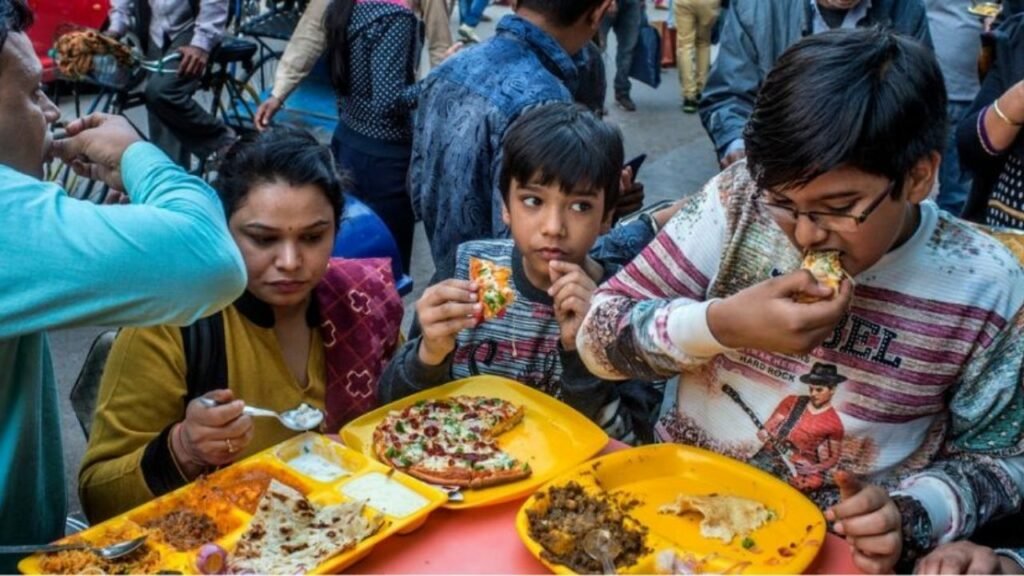
- Increased consumption of processed foods and sugary drinks
- Sedentary lifestyles and reduced physical activity
- Higher screen time from smartphones, gaming and streaming
- Aggressive marketing of unhealthy foods targeted at children
Lifestyle changes in urban and semi-urban areas have played a significant role in the shift.
A Growing Public Health Challenge
India has traditionally battled undernutrition, but experts say the country now faces a “double burden” of malnutrition, where undernutrition and obesity exist simultaneously.
To curb the trend, specialists are calling for stronger policies such as restrictions on junk-food marketing, better food labelling, sugar taxes, and initiatives encouraging physical activity among children.
If these measures are implemented effectively, experts believe the rising tide of childhood obesity can still be reversed.