





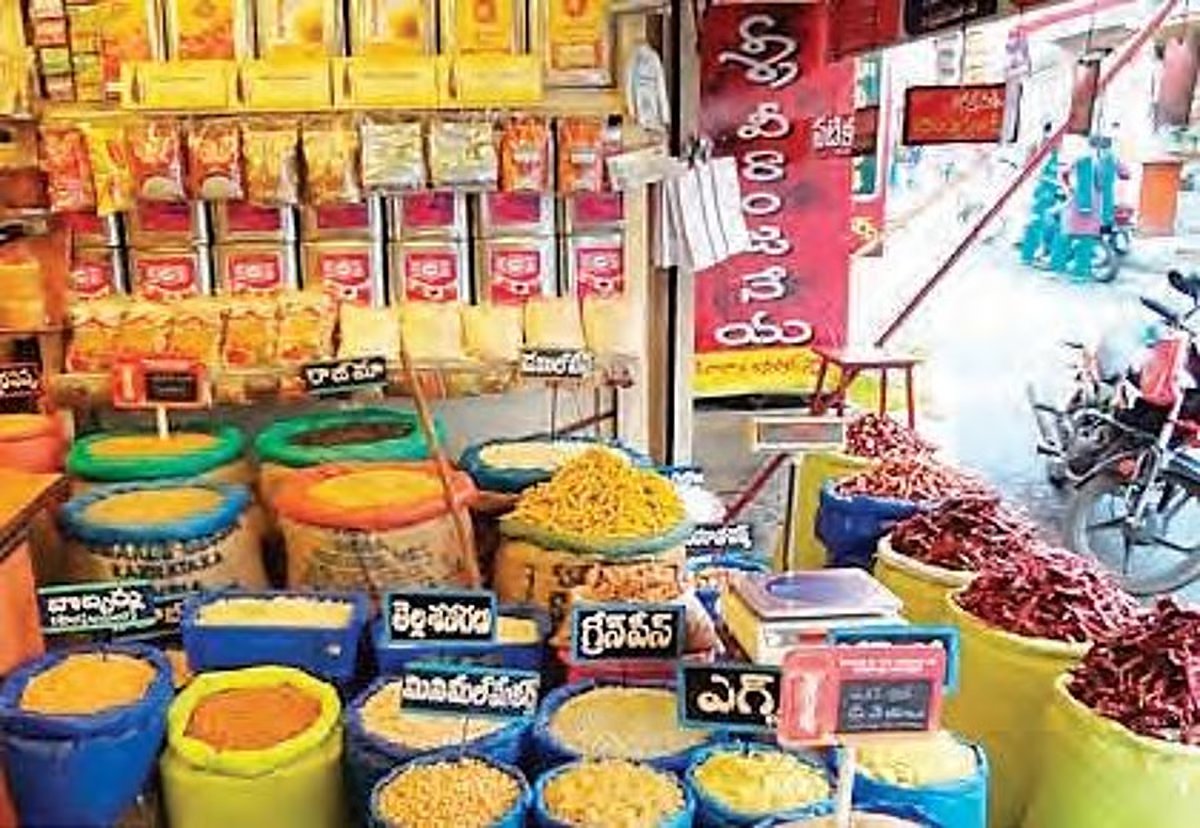
It quoted a December 2024 JP Morgan study on Mumbai’s offline grocery ecosystem, which found that 60% of kirana stores reported a decline in sales volume, attributing it directly to the mushrooming of quick-commerce dark stores and heavy discounting by online retail platforms.
These figures formed the core of an urgent appeal made by the FRAI to the government, warning that the closures represent the early stages of a “systemic collapse” of India’s small retail economy.
FRAI, which represents over 80 lakh MSME retailers through 42 associations, said that kirana stores are facing an existential crisis as consumer behaviour shifts rapidly towards digital platforms offering steep discounts, wide assortments, and near-instant delivery — benefits that small shops cannot match.
Footfall at local grocery stores has fallen sharply, with many shop owners reporting drastic drops in daily revenue. FRAI noted that deep-pocketed digital platforms have reshaped consumer expectations, leaving kiranas struggling on an “uneven playing field”.
Adding to the strain is the way many large e-commerce and quick-commerce companies are engaging with small shops. Instead of helping kiranas expand their independent businesses, some platforms are onboarding them as delivery partners or last-mile service agents, FRAI said.
This shift, the association warns, is pushing independent shopkeepers into uncertain gig roles, undermining decades of local entrepreneurship.
Faced with mounting closures, retailers at the event demanded a government-created technology platform that would allow kiranas to compete directly with quick-commerce companies. They proposed a Bharat Taxi–like model, where consumers place orders on a centralised app and requests are routed to nearby kirana stores. The first shop to accept the order gets the sale.
Such a platform, they argued, would help kiranas participate in the fast-delivery ecosystem instead of being left behind by it.
FRAI also reaffirmed strong support for the government-backed Open Network for Digital Commerce (ONDC), saying it has the potential to democratise India’s digital marketplace and restore balance.
“Small retailers and kirana shopkeepers are facing an unprecedented challenge as e-commerce and quick-commerce platforms reshape the market,” said Abhay Raj Mishra, National Coordinator, Indian Sellers Collective and spokesperson for FRAI.
“Platforms like ONDC show immense promise in restoring balance by giving small businesses visibility, digital access and a level playing field.”