





Source: NIE
Subject: Government Scheme
Context: India has launched the National Action Plan on Antimicrobial Resistance 2.0 (2025–29) at the start of WHO’s World AMR Awareness Week.
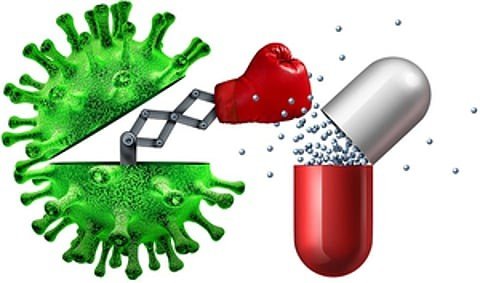
About India Launches National Action Plan On Antimicrobial Resistance 2.0 (NAP-AMR 2.0):
What is it?
- NAP-AMR 2.0 is India’s updated five-year strategic framework (2025–29) to combat rising antimicrobial resistance through a One Health approach covering human, animal, agriculture, and environmental sectors.
- It replaces and expands the earlier NAP-AMR 2017–21, incorporating gaps identified during its implementation.
Launched by: Union Ministry of Health & Family Welfare
Aim:
- To create a coordinated, multi-sectoral national response to AMR using a One Health framework.
- To reduce misuse/overuse of antimicrobials and strengthen laboratory surveillance, stewardship, and infection control.
Key Features of NAP-AMR 2.0:
- One Health Integration: Brings together human health, animal husbandry, agriculture, food safety, environment, and research sectors under a unified national framework.
- Ministry-Specific Action Plans: Each of the 20+ ministries (Health, Agriculture, Animal Husbandry, MoEFCC, DST, Chemicals, Jal Shakti, etc.) has its own action plan, budget, goals, and timelines.
- Strengthened Surveillance & Laboratory Capacity: Focus on expanding diagnostic networks, AMR labs, pathogen tracking, and infection prevention and control (IPC) across hospitals.
- Antibiotic Stewardship & Regulatory Measures: Controls irrational antibiotic use; promotes prescription auditing; supports state actions like Kerala & Gujarat banning OTC antibiotic sales.
- Public & Professional Awareness: Nationwide awareness campaigns, medical curriculum integration, and training programs for healthcare providers, veterinarians & pharmacists.
- Environment & Agriculture Measures: Regulates antimicrobial/pesticide usage in crops; monitors pharmaceutical waste; promotes safe livestock practices.
- Innovation & Research Push: Strengthens the India AMR Innovation Hub to develop new diagnostics, technologies, and collaborative R&D models.
Significance:
- Addresses India’s Growing AMR Burden: India has one of the highest global AMR rates, threatening surgeries, cancer care, organ transplants, and routine medical procedures.
- Ensures Policy Continuity & Global Alignment: Aligns with WHO’s Global Action Plan on AMR and strengthens India’s position as a global leader in AMR containment.
- Whole-of-Government & Whole-of-Society Approach: Engages ministries, private sector, NGOs, professional bodies, and international partners—boosting accountability and multisectoral coordination.