

India’s economic and corporate landscape is witnessing dynamic developments across sectors, from global financial positioning and competitive food chains to mobility innovation, smartphone consumption trends, and the country’s evolving luxury culture. A series of recent developments highlights how India continues to adapt to global shifts while reshaping domestic industries.
RBI Dismisses Speculation Around US Debt Sell-Off
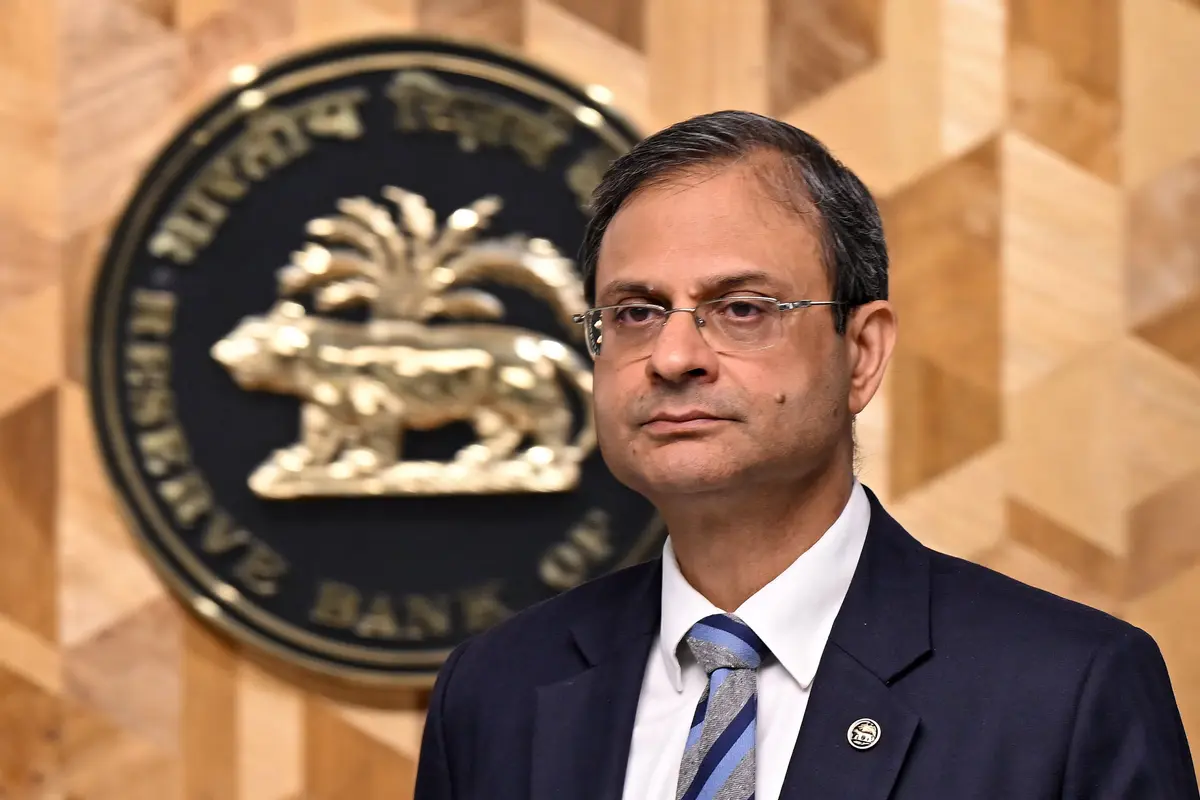
Amid global discussions about countries reducing reliance on US government debt, the Reserve Bank of India (RBI) has clarified that India is not deliberately cutting its exposure to US Treasury securities. RBI Governor Sanjay Malhotra stated that changes in holdings are routine and linked to fluctuations in foreign exchange reserves rather than a strategic shift.
The clarification came after data indicated a decline in India’s holdings of long-term US debt, raising speculation about a broader policy change. Malhotra explained that India’s forex reserves naturally fluctuate based on capital flows, currency management, and global market movements. As US Treasuries form a major component of India’s reserve portfolio due to their safety and liquidity, periodic variations in holdings are common.
The reassurance signals stability in India’s global investment strategy and highlights the RBI’s commitment to maintaining a diversified and secure reserve structure.
Sapphire Foods Faces Profitability Pressure Despite Growth
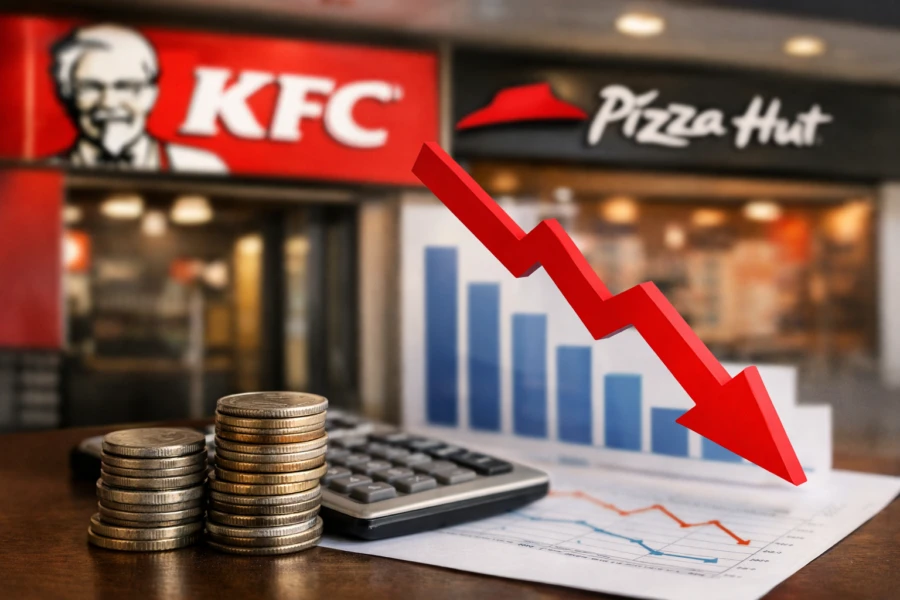
Sapphire Foods, which operates KFC and Pizza Hut outlets in India, is navigating a challenging phase in the country’s fast-expanding quick-service restaurant (QSR) market. The company reported a quarterly loss despite strong revenue growth, underlining the intense competition and cost pressures in the sector.
India’s QSR industry has transformed into a high-stakes battleground, with both global chains and domestic brands competing aggressively through pricing strategies, promotions, and delivery-focused expansion. Rising operational costs, evolving consumer preferences, and discount-driven demand are squeezing margins across the industry.
Sapphire Foods’ performance reflects the delicate balance QSR players must maintain between expansion and profitability. While demand for branded fast food continues to rise, maintaining cost efficiency remains a significant challenge in an increasingly price-sensitive market.
Bharat Taxi Launch Signals New Mobility Model
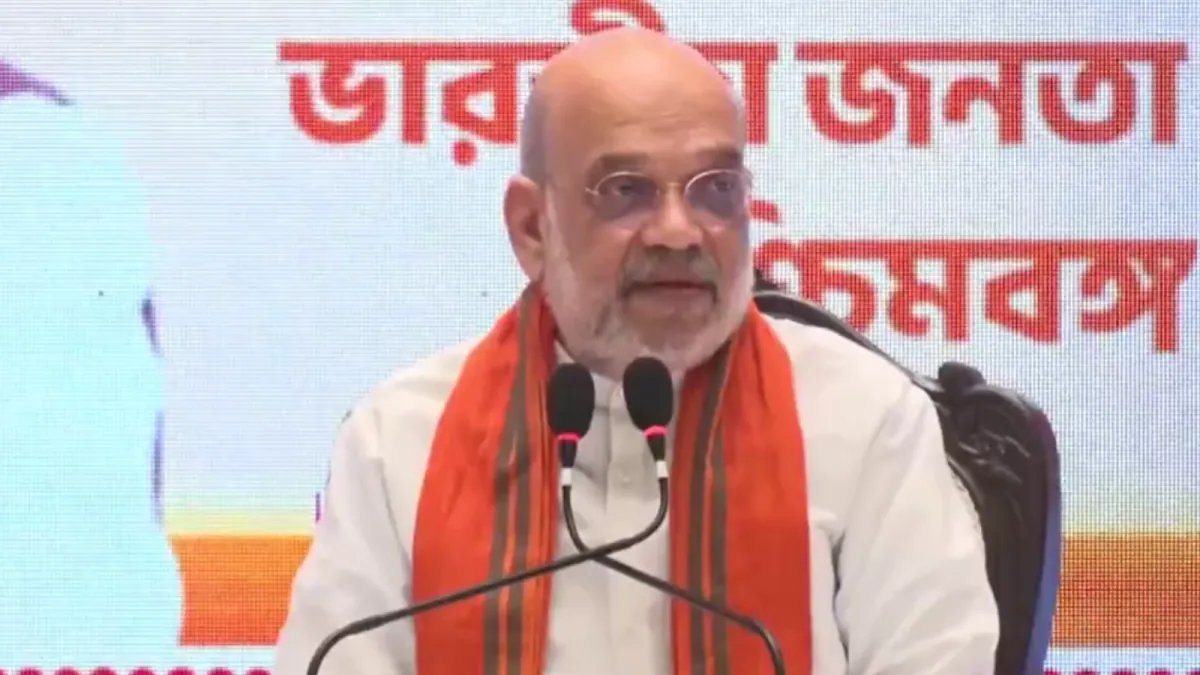
In a move that could reshape India’s ride-hailing ecosystem, Union Home Minister Amit Shah launched Bharat Taxi, a cooperative-owned platform designed to eliminate commission-based models and empower drivers as stakeholders.
Unlike traditional ride-hailing apps that charge commissions from drivers, Bharat Taxi aims to operate on a cooperative structure where drivers function as owners. The model focuses on fair pricing, financial transparency, and stable income distribution for drivers.
The initiative directly challenges established players such as Uber and Ola, which have faced criticism over surge pricing and driver earnings. By introducing a driver-centric system, Bharat Taxi represents a potential shift in the gig economy, promoting welfare-oriented digital platforms backed by cooperative ownership.

Zomato Founder Extends Olive Branch to Former Employees
Zomato founder Deepinder Goyal recently made a rare and candid gesture by inviting former employees to return to the company. In a personal message, Goyal acknowledged that Zomato may not have always provided the best work environment or leadership during its earlier years.
The statement stood out for its transparency, as startup founders rarely publicly admit organisational shortcomings. Goyal emphasised that many former employees remain an important part of Zomato’s journey and that their experience continues to hold value.
The move is seen as part of Zomato’s broader efforts to strengthen workplace culture and rebuild trust, reflecting how mature startups are increasingly focusing on employee engagement and long-term organisational stability.

Premium Smartphones Drive Market Value Growth
India’s smartphone market in 2025 showcased a significant transformation, with premium devices emerging as the primary growth driver. While overall shipments increased by just 1 percent year-on-year, market value surged by 8 percent, reflecting consumers’ growing preference for high-end devices.
This premiumisation trend highlights evolving consumer behaviour, where buyers are prioritising advanced features, brand experience, and long-term device performance. The increasing availability of financing options and upgrade programmes has also made premium smartphones more accessible to a wider consumer base.
Brands are responding by shifting focus toward flagship and mid-premium categories, reshaping competition in India’s smartphone ecosystem.

Record-Breaking Number Plate Auction Reflects Luxury Evolution
India’s luxury market is expanding beyond traditional assets, with vehicle registration numbers emerging as new status symbols. In a landmark auction, the registration plate ‘DDC 0001’ was sold for an astonishing ₹2.08 crore, making it the most expensive number plate ever auctioned in the country.
The record-breaking sale highlights the growing appetite for exclusivity and personalised luxury among affluent buyers. It also reflects a broader shift in India’s luxury ecosystem, where unconventional assets such as customised registrations, rare collectibles, and personalised experiences are gaining prominence.

A Nation Balancing Tradition, Innovation, and Growth
From global financial strategies and competitive food markets to cooperative mobility platforms, workplace culture transformation, evolving technology preferences, and luxury consumption trends, India’s economic narrative continues to diversify.
These developments collectively illustrate a country balancing innovation with stability, while adapting to changing consumer behaviour and global economic realities.