






Last Updated:
Motor taxis first appeared in India around 1911-1912, making the country one of the earliest outside Europe to adopt the concept


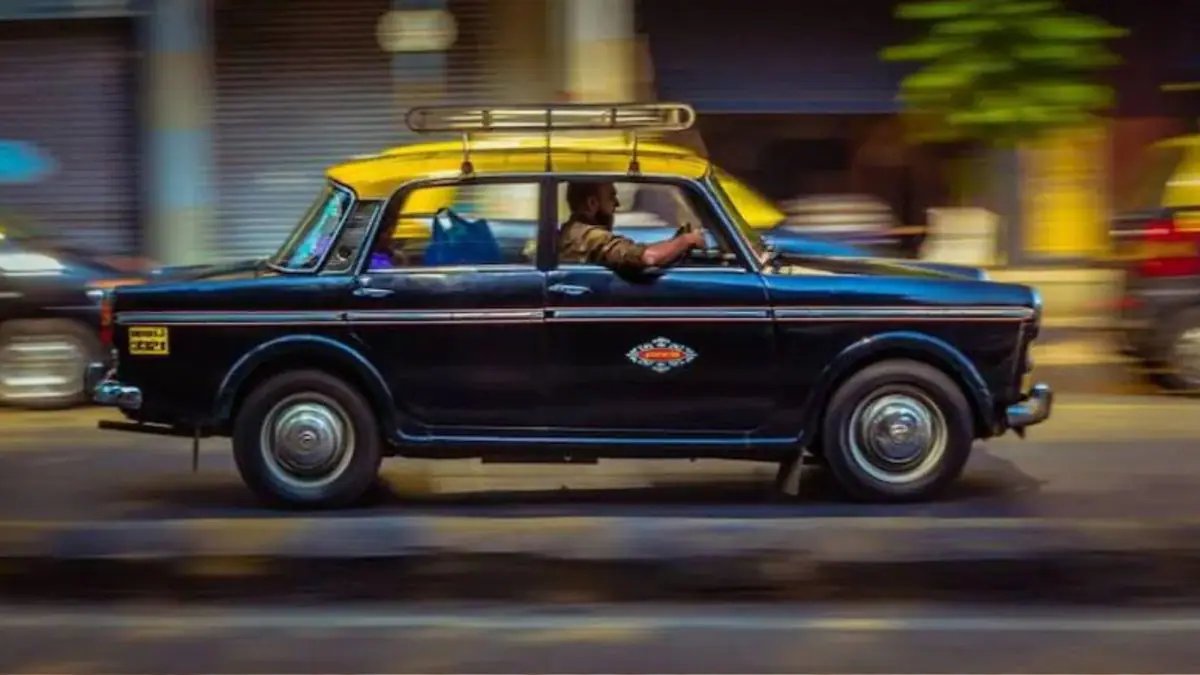
By the 1930s and 1940s, the now-iconic black-and-yellow taxis of Mumbai had begun to define the city’s streets.
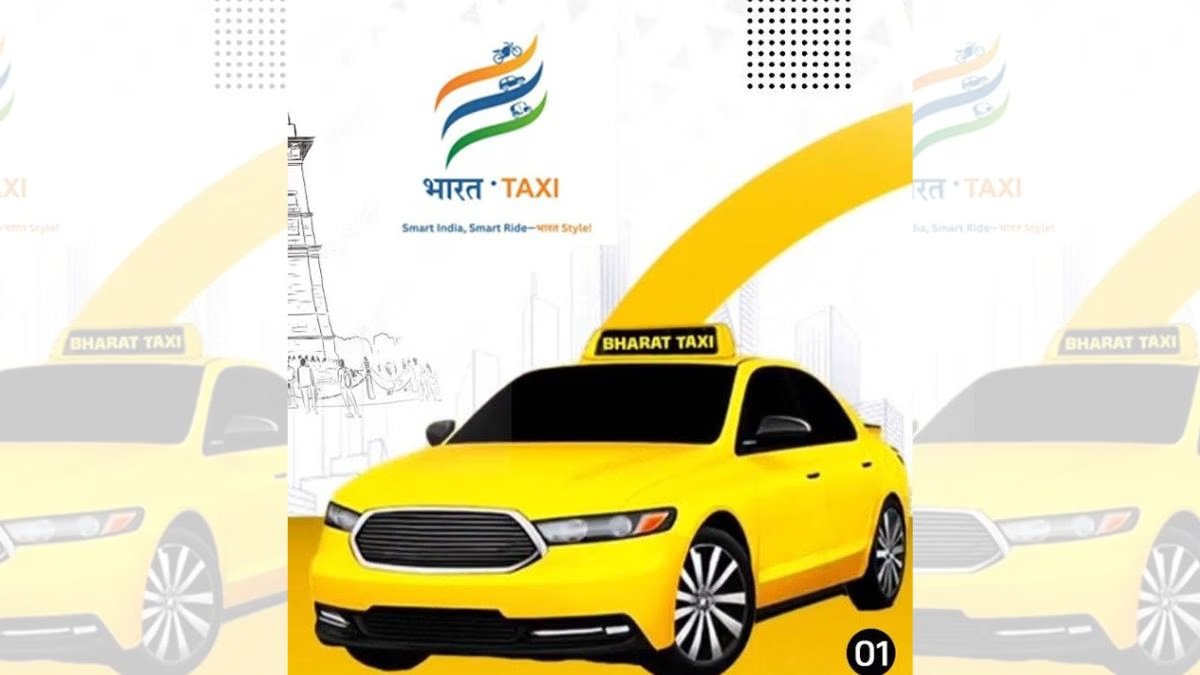
Bharat Taxi, the recently-launched cab service in the Delhi-NCR region, is currently operating mainly in the national capital, with plans to gradually expand to other major cities. While the move signals a new chapter in urban mobility, the story of taxis in India stretches back more than a hundred years, filled with fascinating beginnings, cultural shifts and moments of resistance.
Motor taxis first appeared in India around 1911-1912, making the country one of the earliest outside Europe to adopt the concept. The earliest services began in Bombay, now Mumbai, at a time when cities were still dominated by horse-drawn carriages such as ekkas and tangas.
With the arrival of motorcars in the early 1900s, wealthy Parsis and British officials in the port city quickly recognised the potential of a new business. Many of the first motor taxis were owned by Parsi entrepreneurs, including Dorabji Tata, while garage owners imported vehicles from England.
Early taxis included models such as Fiat, Humber and Austin, and were typically rented by the hour. Their primary users were European officials, wealthy Indian businessmen and guests at prominent hotels like the Taj Mahal and Watson’s.
In the absence of fixed fares, rates were initially decided through negotiation, which often led to disputes and accusations of cheating. To bring order, mechanical taxi meters imported from Britain were introduced in Bombay around 1912-1913. The new devices were met with suspicion. Drivers reportedly called them “iron boxes that eat money”, while passengers feared the meters were being tampered with.
From Bombay, the taxi culture spread to other major cities. Kolkata adopted motor taxis next, followed by Delhi, where they were commonly used by British officers and diplomats. Large American cars became popular choices for taxi fleets in the capital. By the 1930s and 1940s, the now-iconic black-and-yellow taxis of Mumbai had begun to define the city’s streets.
In the early decades, many taxi drivers came from regions such as Konkan, Uttar Pradesh and Punjab. Several were former army mechanics who had learned to handle vehicles during military service. Driving a taxi required long hours and familiarity with English street names, which drivers had to memorise carefully. Taxi owners, many of whom were Parsis in the 1910s to 1930s, enforced strict discipline. Drivers were instructed to remain polite with British officers, maintain a neat cap and coat, and never drive after consuming alcohol.
The transition to motor taxis was not always smooth. In some places, pedestrians were startled by the fast-moving machines, and newspapers carried complaints that the vehicles frightened horses and caused chaos on roads. In certain areas, authorities even restricted taxis to daytime operations. When taxis began operating in Kolkata, resistance from traditional carriage operators was intense. Tanga unions reportedly protested openly, with incidents of stone-throwing and tyre damage, forcing municipal authorities to create rules governing where different vehicles could run.
After Independence, the Fiat Premier Padmini emerged as the undisputed king of Indian taxis, especially in Mumbai, where it remained in service for nearly four decades. The 2000s saw the introduction of radio taxis, and after 2013, app-based services such as Ola and Uber transformed the sector entirely. Despite these changes, traditional taxis continue to run in cities like Mumbai and Kolkata, preserving a living link to the past.
Even the word “taxi” carries a history of its own. It is derived from the French term “taximètre”, meaning fare meter, which in turn comes from the Latin word “taxa”, meaning fee or rate. The concept of measuring fares by distance began in Paris in the late 19th century, first used in horse-drawn carriages before being adopted for motor vehicles.
February 09, 2026, 20:48 IST
Read More